
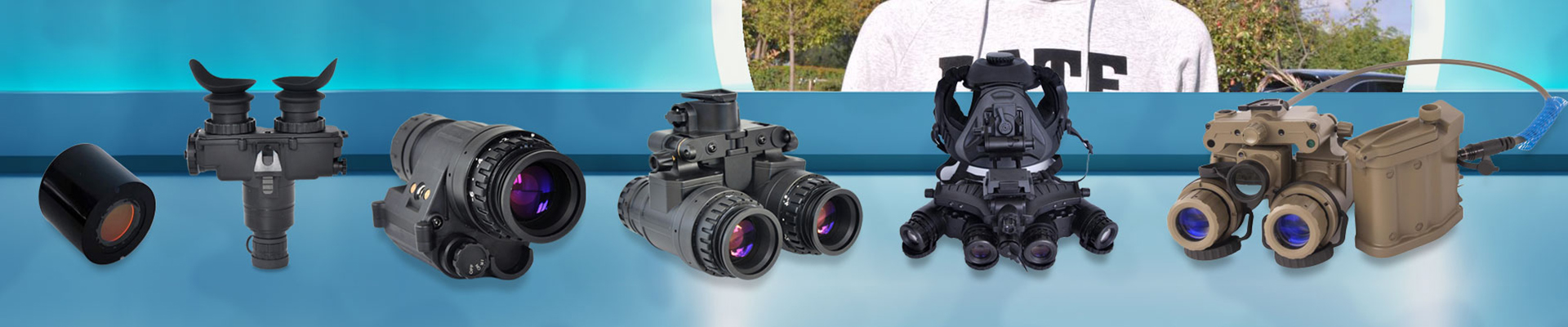
Chinese-made and American-made low-light night vision devices have distinct characteristics in terms of technological approaches, performance features, and application scenarios, reflecting the different military strategies and industrial foundations of both countries. The following is a comparison and analysis of their main features:
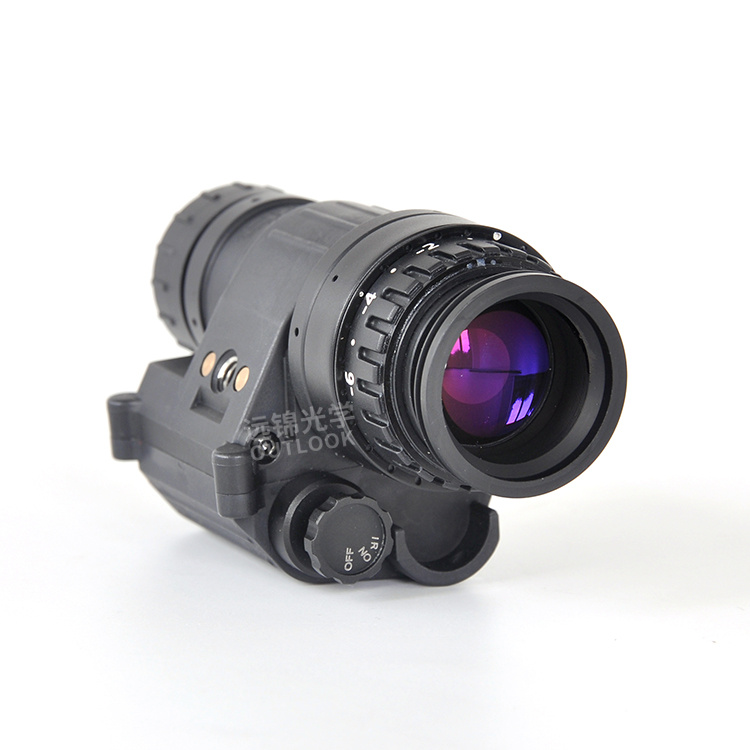
I. Characteristics of Chinese Low-Light Night Vision Devices
Technological Development Path
Rapid Catch-up: China's low-light night vision technology started relatively late, but through reverse engineering, technology introduction, and independent innovation, it has gradually narrowed the gap with advanced international levels.
Complete Industrial Chain Layout: Achieved localization of core components (such as image intensifier tubes and optical lenses), reducing reliance on Western supply chains.
Performance Characteristics
Outstanding Cost-Effectiveness: Mid-to-low-end products offer high cost-effectiveness, suitable for large-scale deployment in military or civilian markets (such as security and hunting).
Environmental Adaptability: Focuses on adapting to complex environments (such as high humidity and dusty conditions), with some models exhibiting good durability.
Digital Integration: New models are beginning to integrate digital image processing and wireless transmission functions, moving towards "optoelectronic integration."
Typical Applications
Military Field: Widely equipped for individual soldiers, vehicles, and border defense forces, such as the QHW-4 night vision device.
Civilian Market: Increasingly popular in security monitoring and field exploration.
Technological Shortcomings
High-End Core Components: The sensitivity and signal-to-noise ratio of second-generation+ image intensifier tubes/third-generation image intensifier tubes still lag behind top American products.
Extreme Environment Performance: Image clarity and detail reproduction capabilities in extremely low light conditions (such as moonless and starless nights) need further improvement.
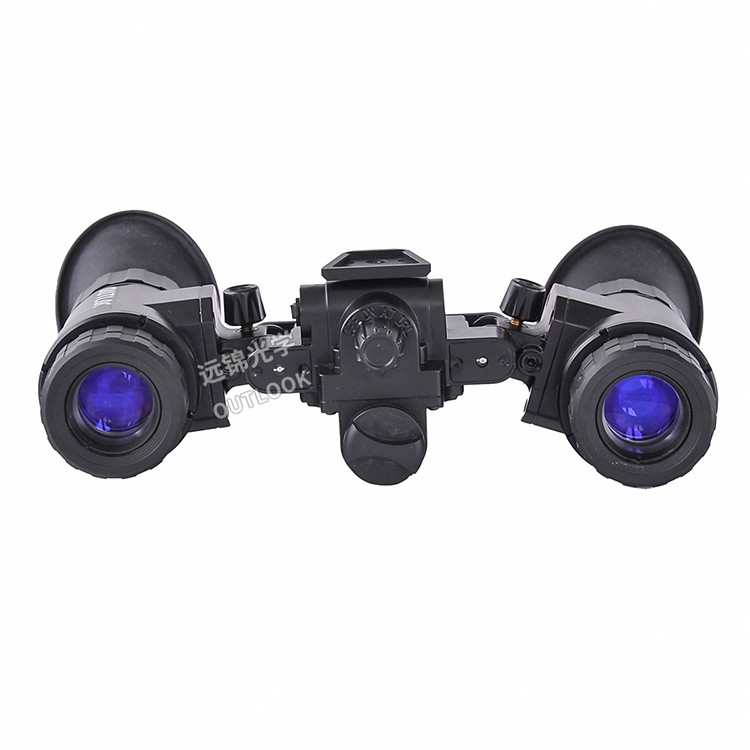
II. Characteristics of American Low-Light Night Vision Devices
Technological Leadership
Long-Term Accumulation: The United States has been developing low-light night vision technology since the end of World War II, possessing a complete technological iteration system (from Gen 0 to Gen 4).
Cutting-Edge Innovation: Leading in cutting-edge areas such as ultra-sensitive GaAs (gallium arsenide) photocathodes and thin-film technology, with third-generation+ image intensifier tubes leading the world in performance.
Performance Characteristics
Ultra-High Resolution: Top models maintain high contrast and detail reproduction even in extremely dark environments.
Lightweight and Integrated Design: Utilizes composite materials and modular design, with high integration with helmets and weapon systems
Full Spectrum Coverage: Some models are compatible with infrared laser illumination and integrated with thermal imaging, enhancing target identification capabilities in complex environments.
Typical Applications
Global High-End Market: Widely deployed by US special forces and NATO allies.
Civilian Sector: Dominates the high-end outdoor, law enforcement, and private security markets.
Technical Limitations
Export Controls: The most advanced third-generation+ technology is strictly controlled by ITAR (International Traffic in Arms Regulations) and prohibited from export.
High Cost: Top-of-the-line models can cost tens of thousands of dollars each, making large-scale adoption difficult.
Future Development Trends of Low-Light Night Vision Devices Produced in China and the United States
Low-Light Night Vision Devices Produced in China:
Breaking through high-end image intensifier tubes manufacturing processes and improving yield rates.
Developing "low-light + infrared + AI" intelligent night vision systems, evolving towards networking and multi-sensor fusion.
Low-Light Night Vision Devices Produced in the United States:
Advancing ultra-low power consumption, wireless connectivity, and AR (augmented reality) integration.
Developing lighter and higher-resolution multi-spectral imaging technology.
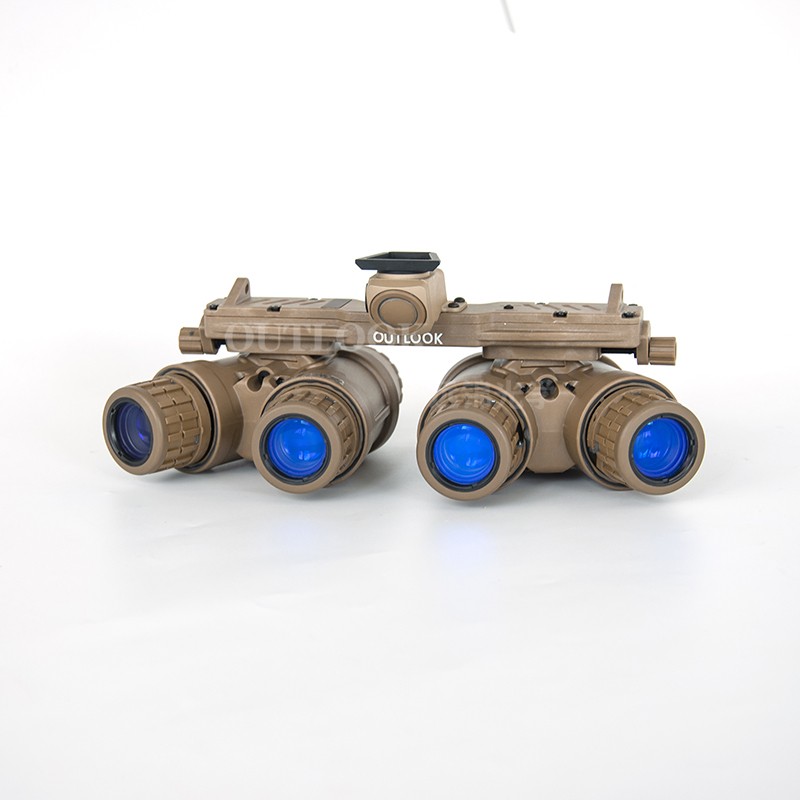
Features and Comparison of Chinese and American Four-Eyed Night Vision Devices
The four-eyed panoramic night vision devices produced in China and the United States represent the pinnacle of current individual night vision equipment.
The following are the core features and comparisons:
I. American Four-Eyed Night Vision Devices: Technological Benchmark and Current Status
Representative Model: L3Harris GPNVG-18 (Ground Panoramic Night Vision Goggles)
Core Features of American Four-Eyed Night Vision Devices:
Unparalleled Field of View: Provides a horizontal field of view of up to 97°, more than twice that of traditional binocular night vision devices (approximately 40°), greatly eliminating "tunnel vision" and providing unprecedented panoramic situational awareness.
Top-tier Image Intensifier Tubes: Uses third-generation+ (Gen 3+) filmless/thin-film white phosphor image intensifier tubes, possessing the highest signal-to-noise ratio, resolution, and sensitivity under extremely low light conditions, resulting in clear images, high contrast, and reduced visual fatigue.
Ultimate System Integration: Although relatively large and heavy, the engineering design is precise, well-balanced, and highly integrated with equipment such as the Ops-Core helmets used by US special forces.
Iconic Status and Limitations:
Status: A symbol of cutting-edge American military technology, almost exclusively equipped to the most elite US special operations units (such as SEAL Team Six).
Price: Extremely expensive, typically costing $60,000 to $80,000 or even more.
Restrictions: Subject to strict ITAR export controls, making it virtually impossible to legally obtain on the market; considered a "non-saleable item."
Chinese Four-Eyed Night Vision Devices: High-End Breakthroughs and Practical Application Path
Development Status: China has successfully developed and launched several domestic four-eyed panoramic night vision devices, marking a significant breakthrough in this field.
Core Features:
Panoramic Functionality Achieved: Successfully overcome core engineering technologies such as four-eye optical system calibration, image stitching, and eye point matching, providing an ultra-wide horizontal field of view similar to that of American products.
Core Component Advancement: Currently mainly uses domestically produced high-performance third-generation or equivalent image intensifier tubes. Compared to top-of-the-line American Gen 3+ image intensifier tubes, there may be measurable differences in ultimate performance under extremely low light conditions (such as signal-to-noise ratio and ultimate resolution), but in most real-world environments (starlight, low light), it can already provide excellent and fully usable panoramic images.
Outstanding cost-effectiveness: The biggest advantage of Chinese night vision device is this. The price of the Chinese four-eyed night vision device is significantly lower than that of American products. Although still expensive for ordinary users, it makes this top-tier equipment accessible to more elite forces or special police units, achieving the "affordability" of high-end equipment.
System and ecosystem: A supporting ecosystem of helmet mounts, battery systems, etc., is rapidly developing. While there may be experiential gaps in overall weight, power consumption optimization, and ergonomic details compared to US military equipment that has undergone years of real-world testing and iteration, progress is rapid.
Final Recommendation:
If you are a member of the US/NATO special forces, or have an unlimited budget and can circumvent legal restrictions: American-made quad-tube night vision goggles might be the ultimate choice if money is no object.
For all other users worldwide who require top-tier quad-tube night vision devices (including the Chinese military, SWAT teams, and other friendly nations' units that cannot obtain top-of-the-line American equipment): high-performance Chinese-made dual-tube night vision goggles are the undeniably smartest and most feasible option.
image intensifier tubes image intensifier tubes image intensifier tubes image intensifier tubes
