
What are military binoculars?
Military binoculars are precision optical instruments designed and manufactured according to strict military standards to meet the tactical needs of observation, rangefinding, and command in extreme battlefield environments.
They are not simply "binoculars that can be used for military purposes," but a type of professional equipment with specific standards, designs, and missions. Below, we will break down their core characteristics in detail:
I. The essence of military binoculars: a "combat tool"
Their primary design goal is not ultimate optical performance, but rather "to reliably function at all times in harsh conditions and help soldiers complete their tasks." Therefore, they must be extremely robust, reliable, and environmentally adaptable.
II. Core characteristics of military binoculars
Extreme robustness and durability
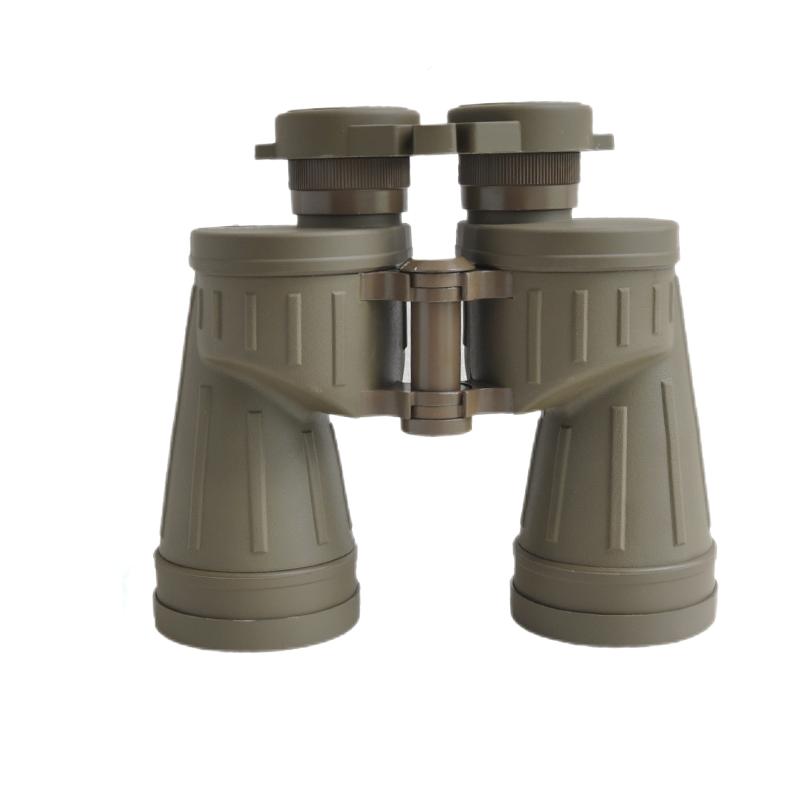
Body: Usually adopts a one-piece metal (such as aluminum alloy) structure, which is very heavy and solid.
Standards: Must pass rigorous military standard tests (such as the US military standard MIL-STD-810). This means they are proven to withstand severe impacts, vibrations, high temperatures (desert), low temperatures (polar regions), heavy rain, dust, and salt spray (islands), without internal optical components shifting or being damaged.
Sealing: Fully sealed design, filled with high-purity nitrogen gas to ensure waterproofing, anti-fogging, and mildew resistance. Being able to function normally after being submerged in water for a certain period is a basic requirement.
Excellent reliability and environmental adaptability
All-weather operation: Maintains stable performance from -40℃ to +60℃, and the lenses and coatings will not delaminate or detach due to temperature differences.
Anti-reflective and concealed design: The casing is matte camouflage or dark in color, the objective lens tube is very long (sunshade), and the inner wall has complex anti-glare threads, all to reduce sunlight reflection and avoid revealing the user's position.
User-friendly operation: The focusing wheel and knobs are designed for easy operation with gloves, and the eyepieces are designed for compatibility with gas masks or glasses.
Special functions for mission requirements
Reticle: The binoculars have a reticle with markings inside the barrel, used for quick rangefinding, angle measurement, and target positioning. This is one of the most iconic features of military binoculars (but note that not all binoculars with a reticle are true military binoculars). Laser Protection: Many modern military binoculars feature flip-down laser protection filters that can be quickly deployed when needed to defend against damage from enemy laser blinding weapons.
Robust Lenses: The lenses themselves are more resistant to scratches and impacts.
Excellent, but not necessarily "top-tier" optics
Military binoculars have excellent optical quality, being clear, bright, and sharp.
However, their optical design sometimes compromises on features for the sake of robustness (such as thicker lenses and more secure mounting) and special functions (such as the inclusion of reticles and filters). Therefore, in terms of the ultimate resolution, field of view, edge sharpness, and chromatic aberration control, top-of-the-line civilian birdwatching or astronomical binoculars may perform better. Military binoculars prioritize "good enough and reliable" optics.
III. Main Types of Military Binoculars
Handheld Binoculars: The most common type, used for medium to long-distance observation. Examples include 7x50 (commonly used by the navy, with a large exit pupil and good night performance), 8x30, 10x50, etc.
Rangefinding Binoculars: Integrate laser rangefinding capabilities, directly displaying the target distance.
Command/Observation Binoculars: Usually monocular, with higher magnification (15-60x), and equipped with an angled eyepiece for easier observation, used for artillery forward observation, reconnaissance, etc.
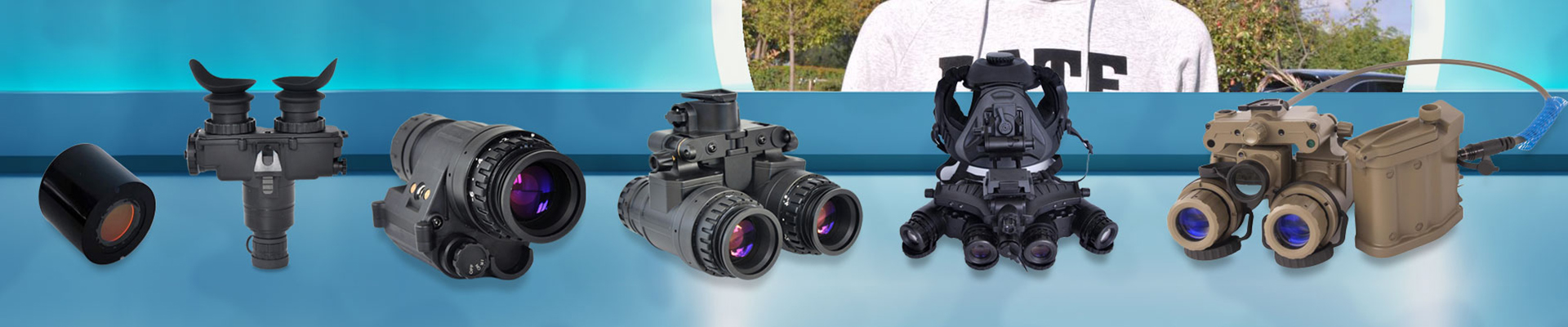
Low-Light/Night Vision Binoculars: Used for observation in extremely dark environments with the help of low-light enhancement technology.
IV. Important Misconceptions Clarified
Misconception1: "Binoculars with reticles and camouflage exteriors are military binoculars"
Wrong. Many civilian hunting binoculars and counterfeit binoculars also have these features. The core of a true military binocular lies in whether it is certified to military standards and possesses military-grade design and materials from the inside out.
Misconception 2: "Military binoculars are always clearer than all civilian binoculars"
Not entirely true. In harsh environments, military binoculars are certainly more reliable. However, in clear weather conditions, a top-of-the-line civilian birdwatching binocular (such as Swarovski or Zeiss SF series) usually outperforms a standard military binocular of the same price or even more expensive ones in terms of optical clarity, field of view, and color reproduction.
Misconception 3: "Russian/Chinese military binoculars offer the best value for money."
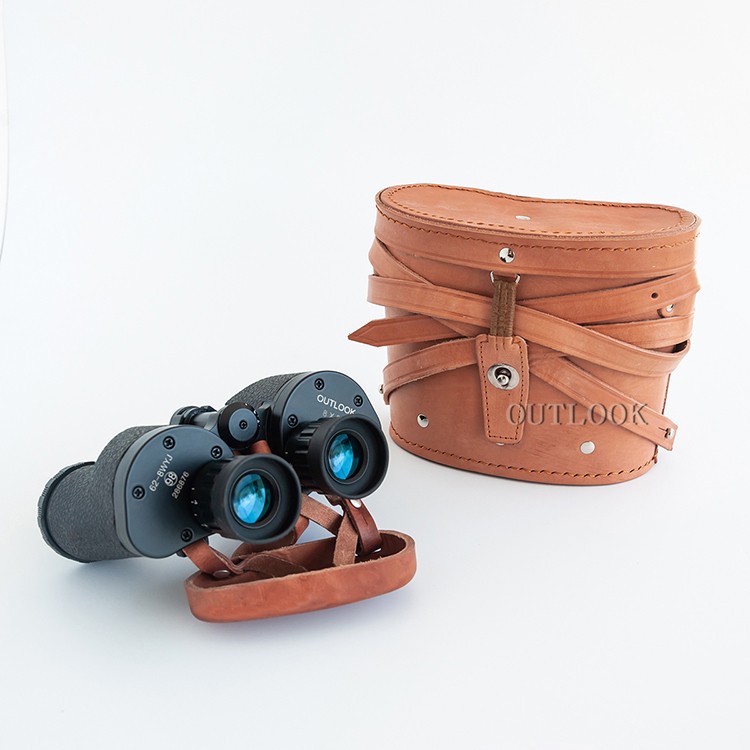
Caution is advised. Genuine military-issue binoculars (such as the Russian Baigish or the Chinese Yun Guang 98) do indeed offer impressive robustness and reliability at a relatively low price. However, they often lag behind contemporary Western top-tier optical products in areas such as lens coatings, color reproduction, and ergonomics. Many on the market are imitations or commercial versions.
Summary
The essence of military binoculars is that they are a highly reliable tool for battlefield survival and mission accomplishment. The premium you pay for them is mostly not for "seeing a little clearer," but for the ability to "drop them from a meter onto rocks in any conditions, from deserts to polar regions, from torrential rain to sandstorms, and still have them focus accurately, allowing you to see the enemy and complete rangefinding."
For the average enthusiast, unless you need to use them for extended periods in extremely harsh natural environments (such as exploration, maritime activities, or polar research), a high-end civilian binocular is usually a more comfortable, optically superior, and better value option.
